Newborn Club Foot Causes
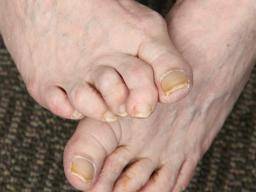
Claw toes may cause pain and lead to calluses on the top of the toe over the first joint, but may also be painless.
Newborn club foot causes. While this is true of some foot deformities that get better on their own as children get older, doctors no longer believe that a baby’s position in the womb causes clubfoot. Feet of babies with this type of clubfoot are stiff and hard to manipulate. Watch this video to know everything about clubfoot in babies, right from the causes, symptoms, and treatment.
But with early treatment most children born with club foot are able to lead a normal life. It can be mild or severe and occur in one or both feet. Clubfoot is the most common congenital disorder of the legs.
Key points about clubfoot in children. Clubfoot can be caused due to the position of the baby in the mother’s womb. Because the front leg bone does not grow properly, the femoral structure pushes the dog's foot outward or inward.
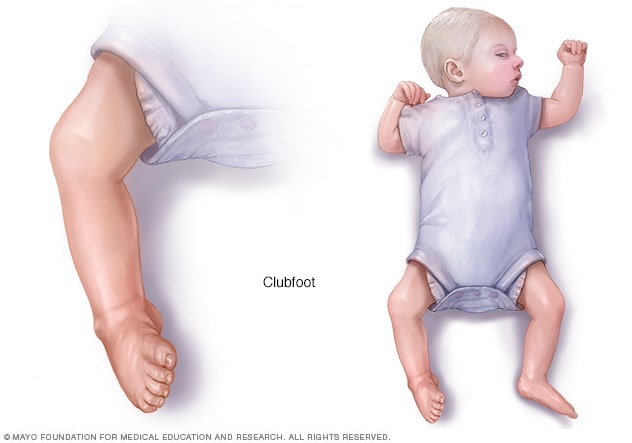
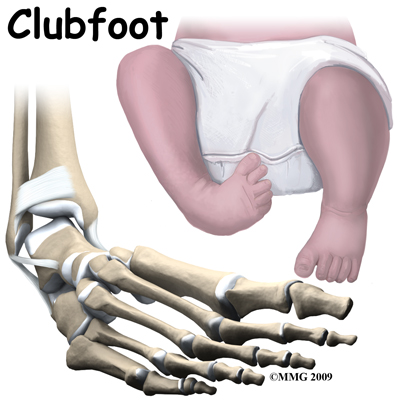
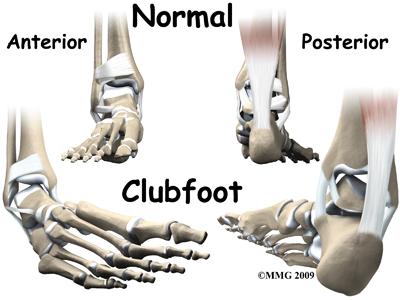
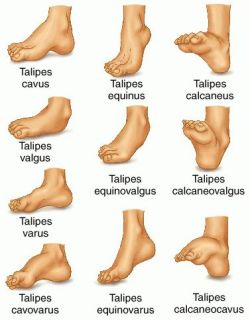
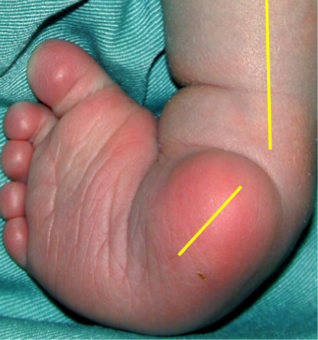
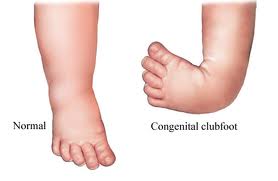
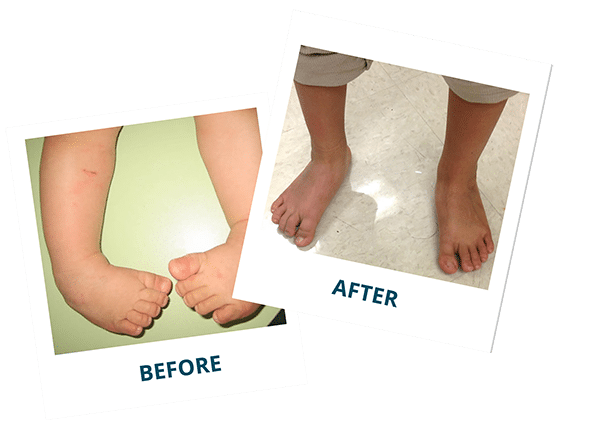
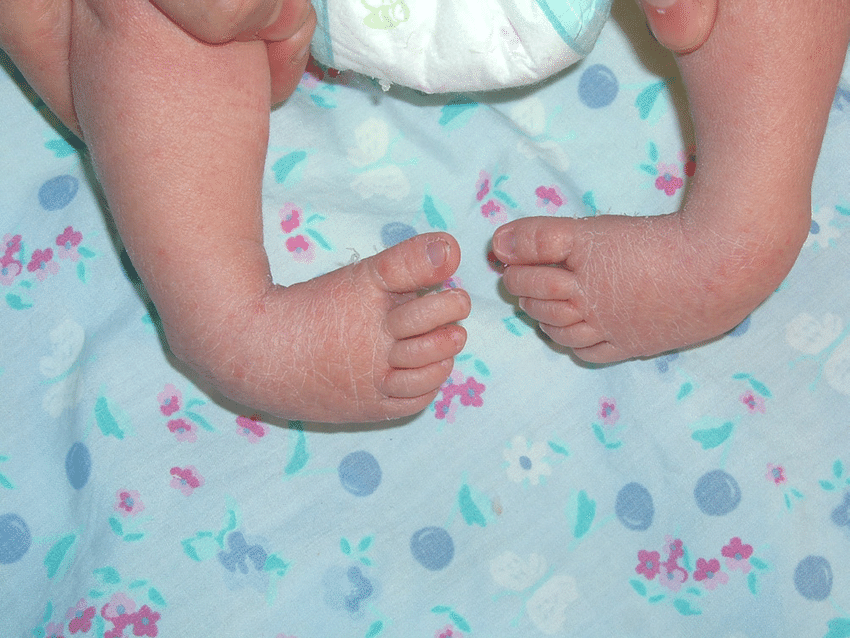
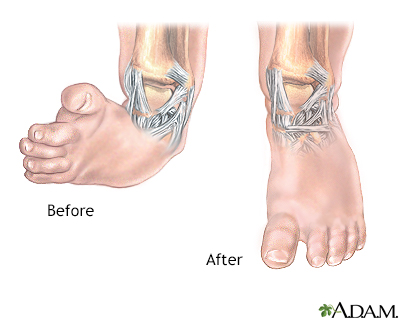
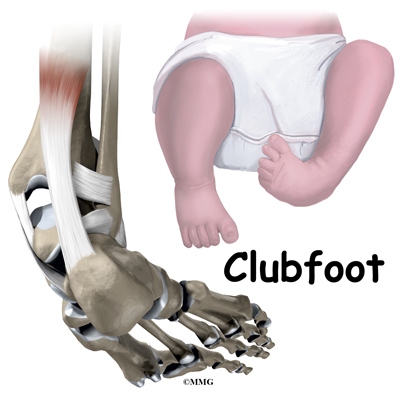
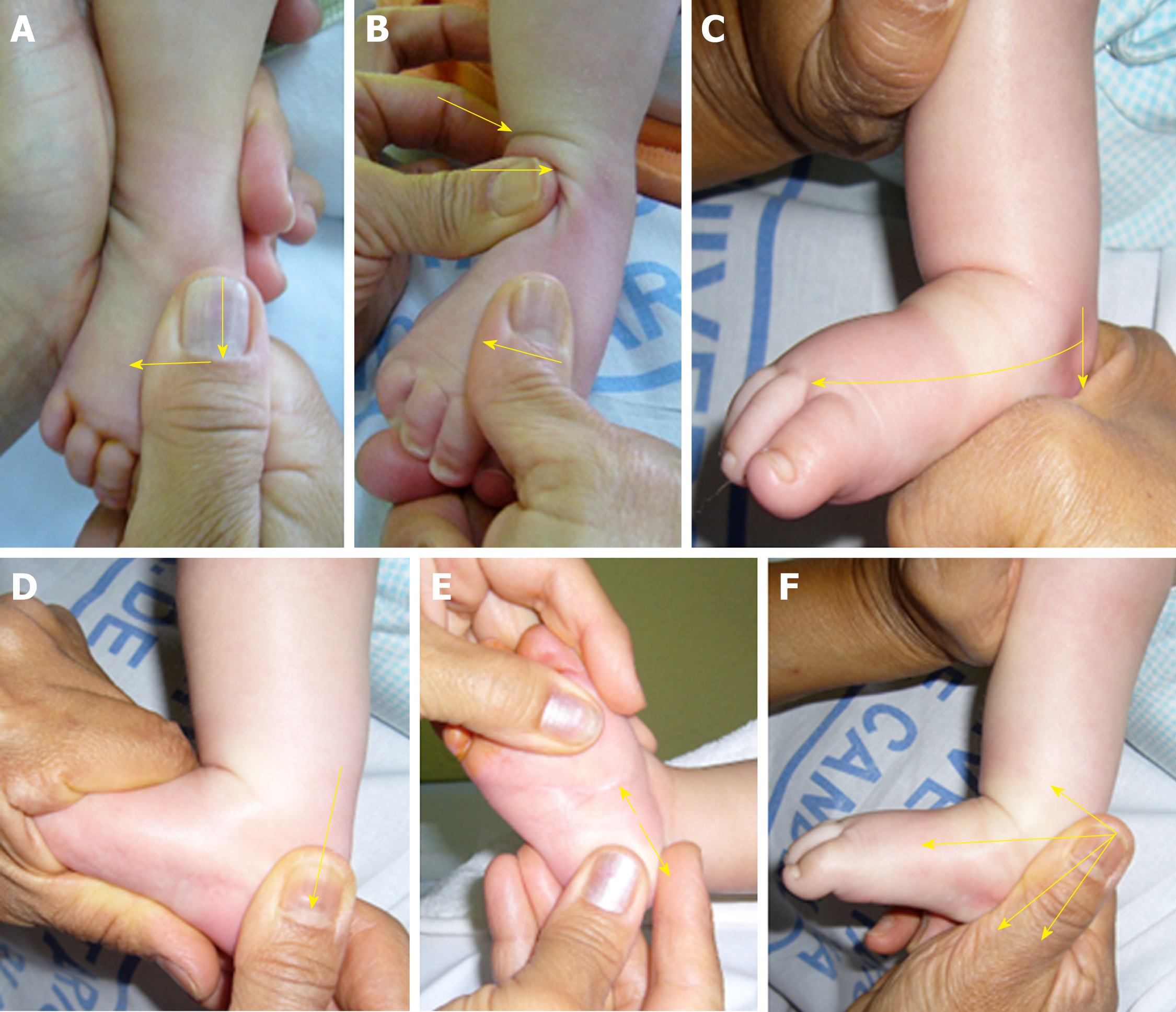
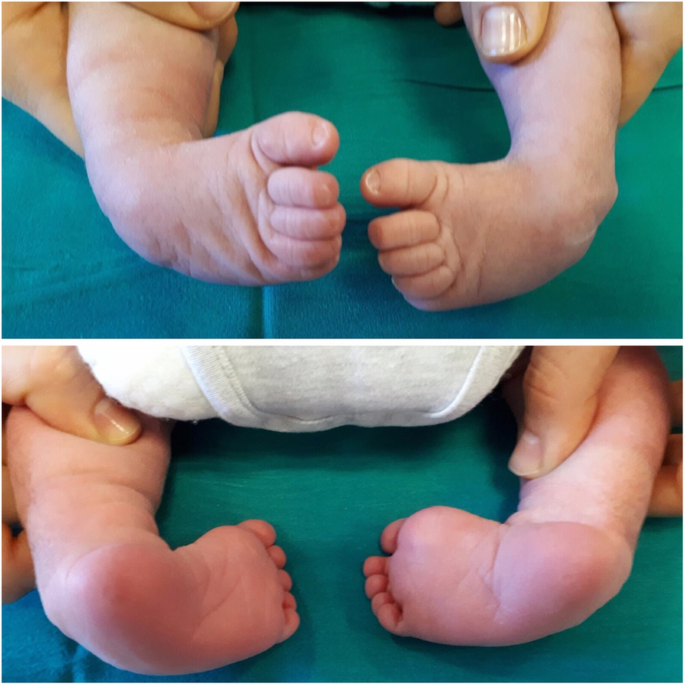
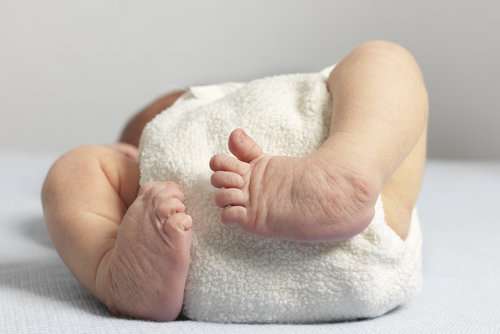
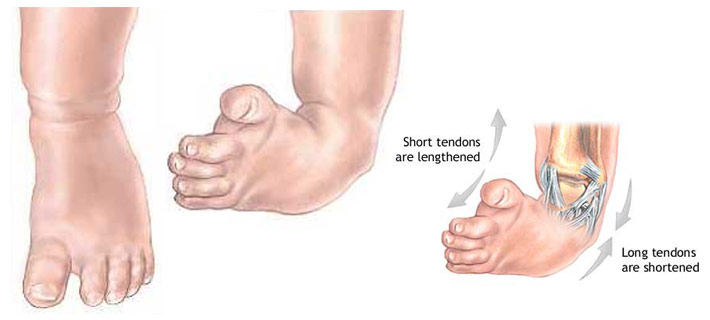
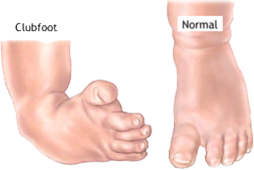
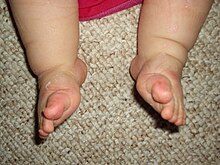
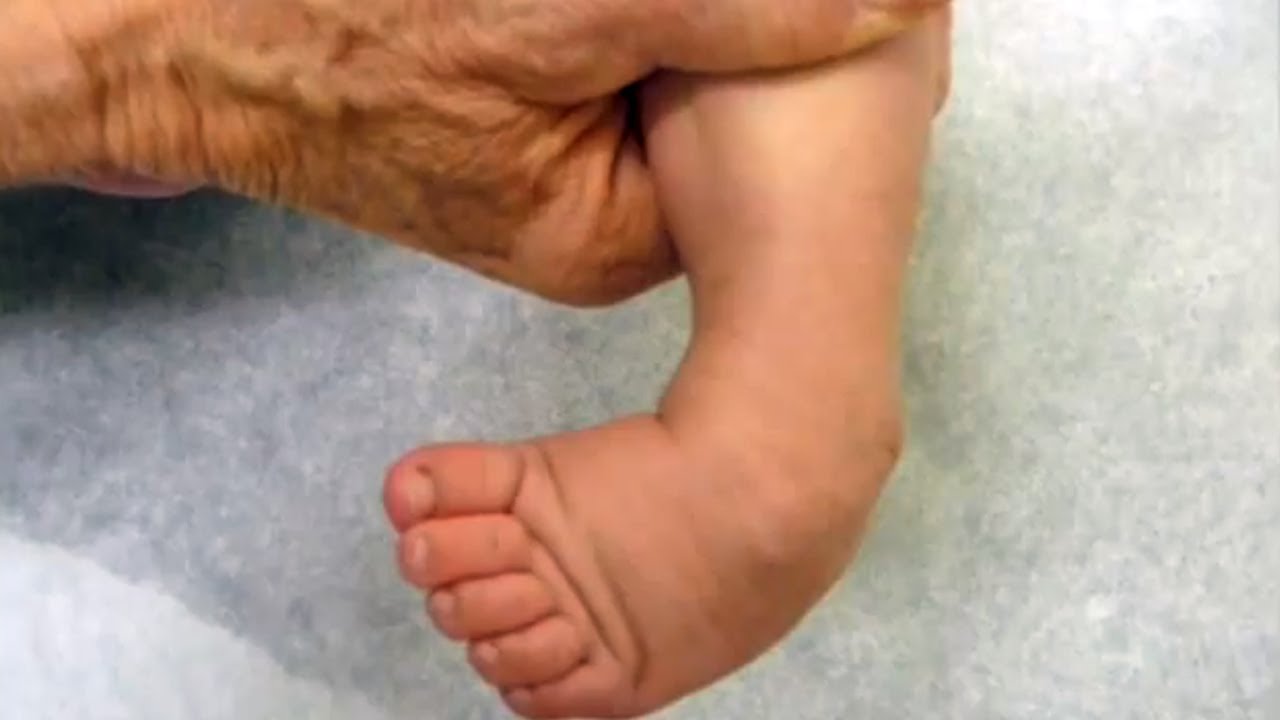
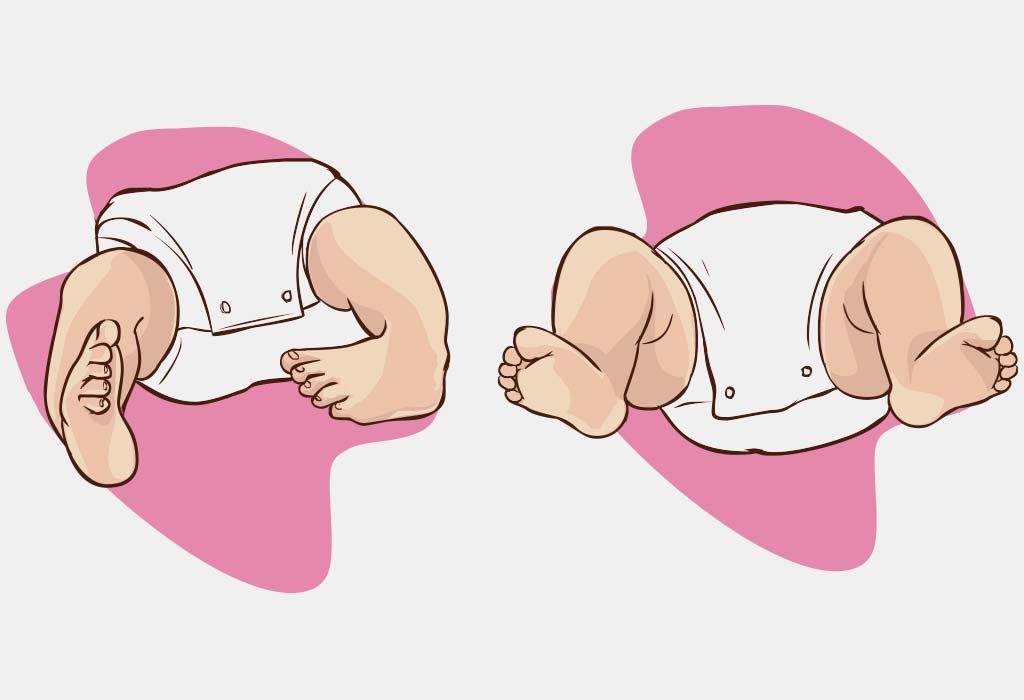
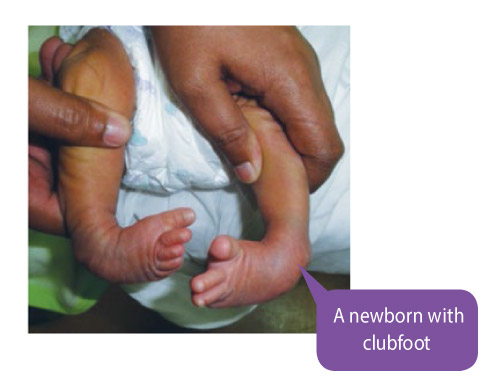
Most newborns have two major creases on the palm, neither of which completely extend from one side of the palm to the other. Clubfoot is a congenital condition (present at birth) that causes a baby’s foot to turn inward or downward. Clubfoot causes the heel to point downward while the front half of the foot (forefoot) turns inward.
Your child is likely to develop arthritis. While it can be associated with other congenital malformations. The most common type of clubfoot is idiopathic, which means the cause is unknown.
Instead of being straight, a clubfoot points down and turns in. Risk factors include a family history of the disorder and being male. These conditions may affect one foot or both, with problems ranging from mild to serious.
Are not removed, this finding can be easily missed. Clubfoot is thought to be a genetic condition. Your baby's foot bones, muscles, tendons, and blood vessels may also be affected.
Some believe clubfoot develops because of an abnormally shaped anklebone. The word “club-foot” refers to the shape of head of golf club and that is how the shape of newborn child looks like. Club foot can cause significant problems as the child grows.
In most cases, it is diagnosed by the typical appearance of a baby's foot after they are born. Children with a family history of the condition are more likely to be born with it. Oftentimes, the diagnosis of clubfoot can now be made prenatally during the 16-week ultrasound.
The cause of clubfoot is unknown (idiopathic), but it may be a combination of genetics and environment. The most widely accepted theory is that clubfoot is caused by a combination of genetic and environmental factors. It happens twice as often in boys than girls.
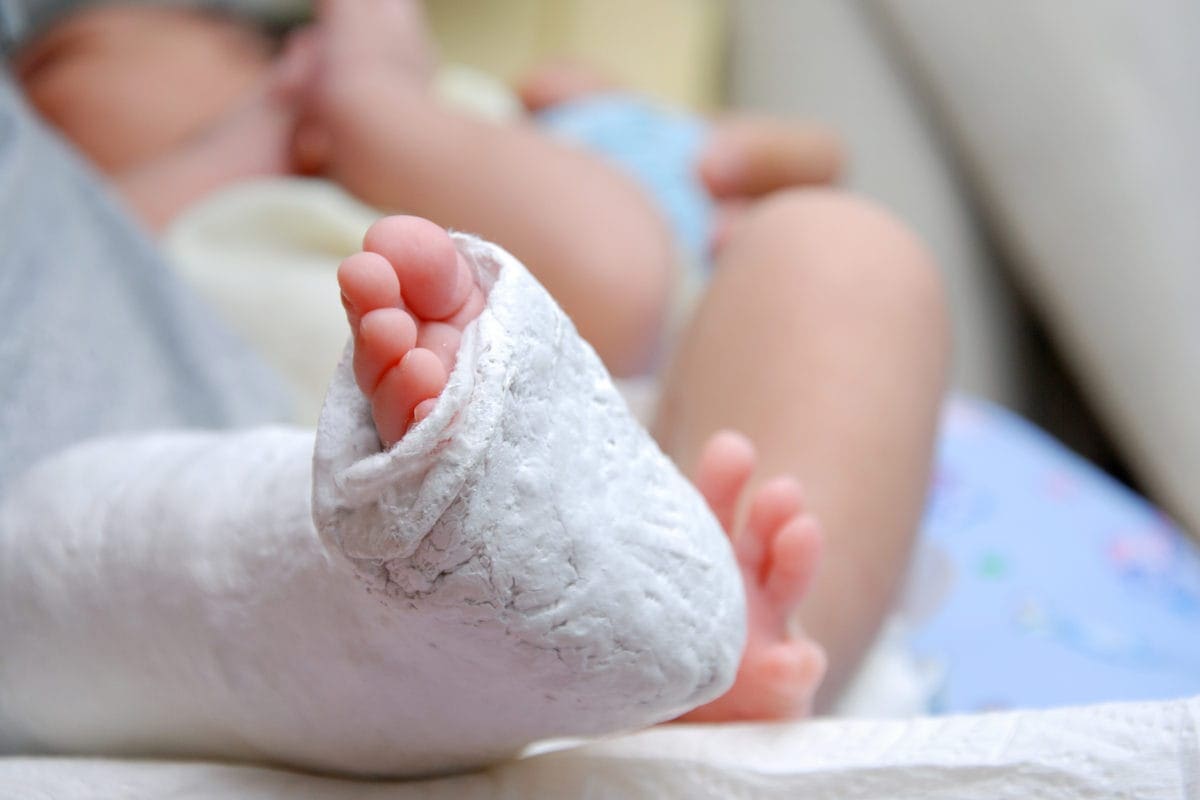
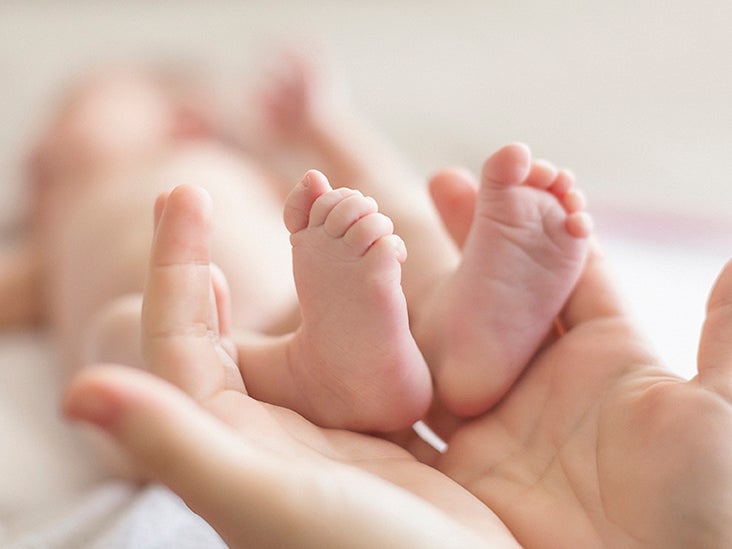
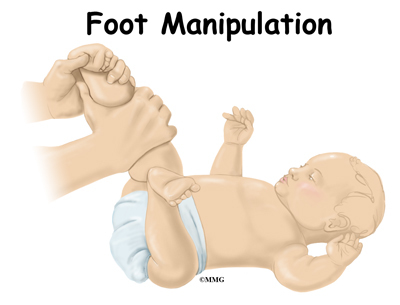
The foot abduction brace is used only after the clubfoot has been completely corrected by manipulation, serial casting, and possibly a heel cord tenotomy. It can range from mild and flexible to severe and rigid. Despite its small size, the newborn foot is a complex structure.
Fortunately, the tumor was not cancerous and I was treated with steroids to shrink the tumor. The unusual appearance of the foot may make your child's body image a concern during the teen years. Unhealthy lifestyle like smoking and consuming drugs during pregnancy can also result in the baby being born with clubfoot.
If a parent and child are affected, the recurrence may be as high as 25%. Nearly one in 1,000 babies is born with clubfoot and one-fourth of them have a family history of the birth defect, which causes the bones and joints of the foot to be aligned incorrectly. Idiopathic clubfoot is not related to any other medical problems.
Causes for clubfoot are not understood. Syndromic clubfoot occurs when the condition is part of a larger syndrome. Next Steps in Treatment.
Calcaneovalgus foot is one of the most common deformities of the foot seen in newborns. My baby girl is 6 years old and her right foot is affected by this condition of club foot. This congenital anomaly is seen in one out of every 1,000 babies, with half of the cases of club foot involving only one foot.
Clubfoot (also called talipes equinovarus) is a birth defect of the foot. Boys are about twice as likely to develop clubfoot than girls are. What is known, however, is that there is an increased risk in families with a history of clubfeet.
In some cases,. Others think clubfoot happens because of abnormal nerve function in the leg, or because of abnormal tissues in the muscles and tendons of the foot. Inability to walk normally.
The Ponseti method is now a widely used treatment for talipes. Doctors don’t know what causes it, and. After birth foals acquire club feet when the bones grow faster than the tendons.
The treatment for clubfoot typically begins soon after the child is born. The cause of clubfoot is also linked to some skeletal disorders like spina bifida and hip dysplasia in which the spinal cord fails to develop since birth. A clubfoot isn't painful and won't cause health problems until a child begins to stand and walk.
This means it’s present at birth. Although club foot is painless in a baby, treatment should begin immediately. Clubfoot usually happens when the tissues that connect muscles to bone in a baby’s leg and foot are shorter than normal.
The exact cause of clubfoot is unknown, but doctors agree that a family history of clubfoot increases the likelihood that a child will be born with the condition. The condition may create problems fitting into shoes. Clubfoot is a deformity of the foot and lower leg.
Most of the time, claw toes are not harmful in themselves. Most commonly, a doctor recognizes clubfoot soon after birth just from looking at the shape and positioning of the newborn's foot. Not all experts agree on congenital clubfoot causes.
Most often, it occurs by itself. But the condition may be passed down through families in some cases. Club foot is the condition of foot deformity of the newborn child in which either or both the feet will be twisted or bent towards the toes inward.
What is known, however, is that there is an increased risk in families with a history of clubfeet. In almost half of affected infants, both feet are involved. But medical professionals do understand that clubfoot is not affected by the fetus’ position in the uterus.
If either of the parents or their other children have had clubfoot, the baby is more likely to have it as well. During the daytime, the children wear regular shoes. Clubfoot is a congenital condition.
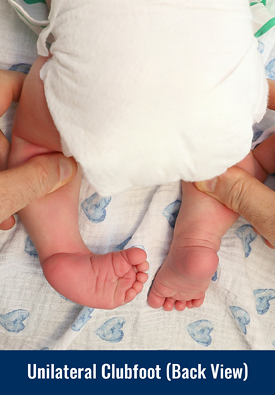
Clubfoot is a common birth defect, affecting approximately 1 out of every 1,000 newborns. Clubfoot is a common birth defect. If one parent has club foot, there's about a 1 in 30 chance of your baby having it.
Club foot can occur before or after birth in foals. The most widely accepted theory is that clubfoot is caused by a combination of genetic and environmental factors. The cause of clubfoot is not well understood.
Often, club foot affects both front legs with one being more severe than the other. It happens when a baby’s foot and leg muscles, ligaments and tendons don’t develop properly while the baby is in the womb. Occasionally, the doctor may request X-rays to fully understand how severe the clubfoot is, but usually X-rays are not necessary.
In babies who have clubfoot, the tendons that connect their leg muscles to their heel are too short. Clubfoot in Newborns Causes. However, it is to be noted that the condition is not caused by the position of the foetus in the uterus.
Normal Hand Crease. Genetic factors are believed to play a major role, and some specific gene changes have been associated with it, but this is not. One or both feet may be affected.
If a parent does not have club foot, than recurrence risk is based on gender of first born — 2% recurrence risk with male child and 5% for a female child. These can cause congenital contractures, including clubfoot, in distal arthrogryposis (DA) syndromes. Doctors once thought a clubfoot was a result of a baby’s foot being twisted or cramped in the womb.
An examination of the feet is an essential component of an evaluation of a newborn. If there is a family predisposition, the risk of having a child with clubfoot is increased. Club foot refers to a tendon flaw that causes the hoof to be very upright.
The condition can also be caused due to environmental and genetic factors. This twisting causes the toes to point toward the opposite leg. Also, mothers who smoke and drink.
Although it might be a genetic condition, most families show no clear. Canine clubfoot, also known as congenital talipes equinovarus, is a genetically defined deformation that has more to do with the leg bone than the foot. A baby can be born with the defect in one or both feet.
Babies with this condition are born with their foot and ankle excessively bent up, where the toes are usually touching the shin. Club foot can happen in one foot or in both feet. She has had a series of procedures which assisted in partially correcting the abnormality.
However, du to us attending a. It is not clear exactly what causes talipes. Although club foot is painless in a baby, treatment should begin immediately.
Genetic causes are discussed. Causes of the malposition The causes of congenital clubfoot are ultimately not clear. But with early treatment most children born with club foot are able to lead a normal life.
There is currently no known cause of idiopathic clubfoot, but baby boys are twice as likely to have clubfoot compared to baby girls. They may be the first sign of a more serious disease of the nervous system. A thorough examination can be performed quickly.
This causes the foot to point downward and inward. Clubfoot is easily diagnosed during the initial physical examination of the newborn. Researchers are still uncertain about the cause of clubfoot.
Talipes equinovarus (once called club foot) is a deformity of the foot and ankle that a baby can be born with. Mutations in genes involved in muscle development are risk factors for clubfoot, specifically those encoding the muscle contractile complex (MYH3, TPM2, TNNT3, TNNI2 and MYH8). Do you suspect your baby may have clubfoot?.
The cause is not known. Causes of club foot In most cases the cause of club foot isn't known, but there may be a genetic link as it can run in families. Neurogenic clubfoot is caused by an underlying neurologic condition.
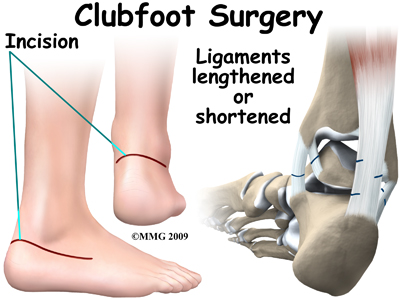
In clubfoot, the ligaments and tendons that hold the muscles to the bones are too tight. While this is not expected to cause a significant functional problem, cosmesis can be of concern as the. Once a child has been born with clubfoot, the chance for it to happen again depends on several factors.
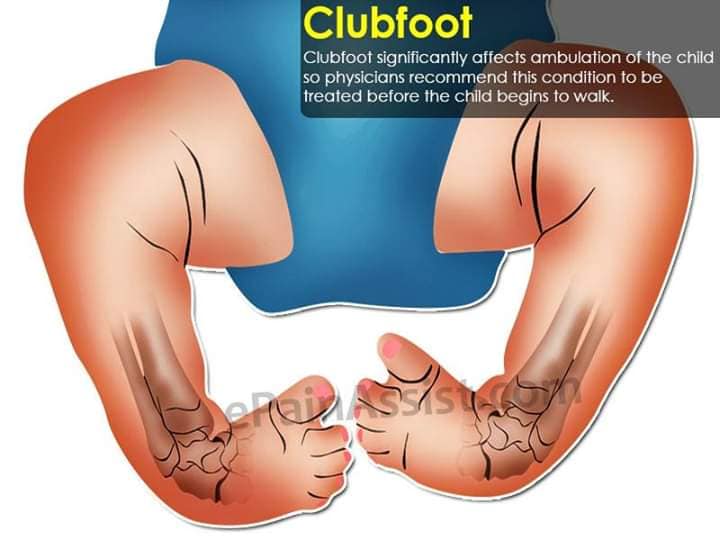
If the diagnosis is made prenatally, we encourage you to schedule an appointment in the pediatric orthopaedic clinic to discuss diagnosis and treatment options. Club foot can cause significant problems as the child grows. The twist of the ankle may not allow your child to walk on the sole of the foot.
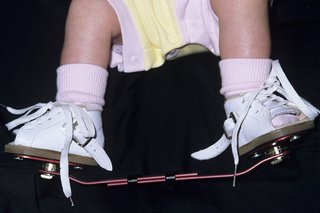
Vertical talus is less common, affecting about 1 out of every 10,000 newborns. In children with only one clubfoot, the shoe for the normal foot is fixed on the bar in 30 degrees of abduction. These tight tendons cause the foot to twist out of shape.
Congenital vertical talus is an uncommon cause of a type of flatfoot in newborns. The likelihood of having a second child with a clubfoot is about 1:30. Clubfoot develops because the tendons in your baby's leg and foot are shorter and tighter than normal.
Club foot can happen in one foot or in both feet. Clubfoot happens because the tendons (bands of tissue that connect muscles to bones) and muscles in and around the foot are shorter than they should be. If you have one child with club foot, your chance of having a second child with the condition is about 1 in 35.
Club Feet Edema of the Feet. The cause is unknown in many cases. This condition also can occur when a young puppy is denied a nutritious diet.
This is known as postural clubfoot. With clubfoot, the Achilles tendon is shorter than it should be, which causes the foot to be pulled up into an abnormal position. Clubfoot is a relatively common birth deformity of the baby’s Achilles tendon, a band of tissue on the back of the leg that connects the calf muscles to the heel.
Clubfoot can range from mild to severe. This causes the tissues around the ankle to hold the foot in an abnormal position. The appearance of your baby's foot with congenital vertical talus is a sole that looks like the bottom of a rocking chair.
Shoes attached to the bar may cause pressure blisters and sores. What causes clubfoot Researchers are still uncertain about the cause of most cases of clubfoot. The true cause of clubfoot has not yet been determined even after various studies and research have been made.
It’s when a baby’s foot turns inward so that the bottom of the foot faces sideways or even up. It’s when one or both feet are turned inward. The foot abduction brace, which is the.
This happens because the tissues that connect muscles to bone (called tendons) in your baby’s leg and foot are shorter than normal. Clubfoot is a birth defect that causes your baby's foot to point down and be turned inward. Clubfoot is mainly idiopathic, which means that the cause is unknown.
World Clubfoot Day Mater Mothers
Club Foot Nhs

Figure 1 From Orthotic Management Of Talipes Equinovarus In Newborns Using The Newborn Dynamic Torsion Kafo To Reproduce The Sequential Progression Of Ponseti Casting Semantic Scholar
Newborn Club Foot Causes のギャラリー
Club Foot Cause And Treatment Family Health Kidspot
Clubfoot Symptoms And Causes Mayo Clinic

What Is Clubfoot Stanford Children S Health
What Is Clubfoot Symptoms And Treatment Familydoctor Org

Clubfoot Causes And Treatments
Physical Therapy In Long Island For Pediatric Issues Clubfoot

Clubfoot For Parents Nemours Kidshealth
Physical Therapy In Long Island For Pediatric Issues Clubfoot
Clubfoot Clubfoot Also Known As Pediatric Interesting Cases And Mcqs Facebook
Manipulation And Brace Fixing For The Treatment Of Congenital Clubfoot In Newborns And Infants Bmc Musculoskeletal Disorders Full Text

Club Foot Shoes Baby Ponseti Shoes For Sale Club Foot Baby Club Foot Baby Club

Clubfoot Talipes Equinovarus Symptoms Diagnosis And Treatment
Congenital Talipes Equinovarus Clubfoot Nursing Care Management Nurseslabs

What Is Club Foot With Pictures
Assessing Children With Clubfoot Physiopedia
Introduction To Clubfoot Physiopedia
Clubfoot Orthoinfo os

When Your Child Has Calcaneovalgus Articles Mount Nittany Health System
Clubfoot International Center For Limb Lengthening
Clubfoot Causes And Treatments
Q Tbn 3aand9gcs75ssovg7pr3rdeuni1i8gem4zao5pfdnfwmxvngrhcqxcomhd Usqp Cau

Clubfoot Phenotype In Pma Pma Mice Human Newborn With Congenital Download Scientific Diagram

Talipes Club Foot Health
Clubfoot In Newborns Paedicare Paediatricians
Clubfoot Repair Treatments Procedure Outlook

Clubfoot Johns Hopkins Medicine

Clubfoot Foot Disorders
Clubfoot Doctor Ladera Ranch Southern California Foot Ankle Specialists
Congenital Talipes Equinovarus Clubfoot Nursing Care Management Nurseslabs
A Pair Of Shoes Can Change A Life Our Clubfoot Journey
:max_bytes(150000):strip_icc()/GettyImages-976611000-781e705fad0e43aca41e5f5fc82f7b7e.jpg)
Learn About Clubfoot Deformity In Newborns
Clubfoot Information Mount Sinai New York

About Clubfoot

O G7um7bm1ve0m
Clubfoot Symptoms Stages Definition Description Demographics Causes And Symptoms Diagnosis
Clubfoot Eorthopod Com

Photos Of Babies With A Clubfoot

Clubfoot
Functional Physiotherapy Method Results For The Treatment Of Idiopathic Clubfoot

Clubfoot Children S Orthopaedic And Scoliosis Surgery Associates Llp

Clubfoot Boston Children S Hospital

Talipes Babycentre Uk
What A Paediatrician Should Know About Congenital Clubfoot Italian Journal Of Pediatrics Full Text

Club Foot Mississauga Foot Clinic

What Are The Main Causes Of Clubfoot Interactive Health

Clubfeet Move And Play Paediatric Therapy

Club Foot
Clubfoot International Center For Limb Lengthening

To Parents Of Children Born With Clubfeet University Of Iowa Stead Family Children S Hospital
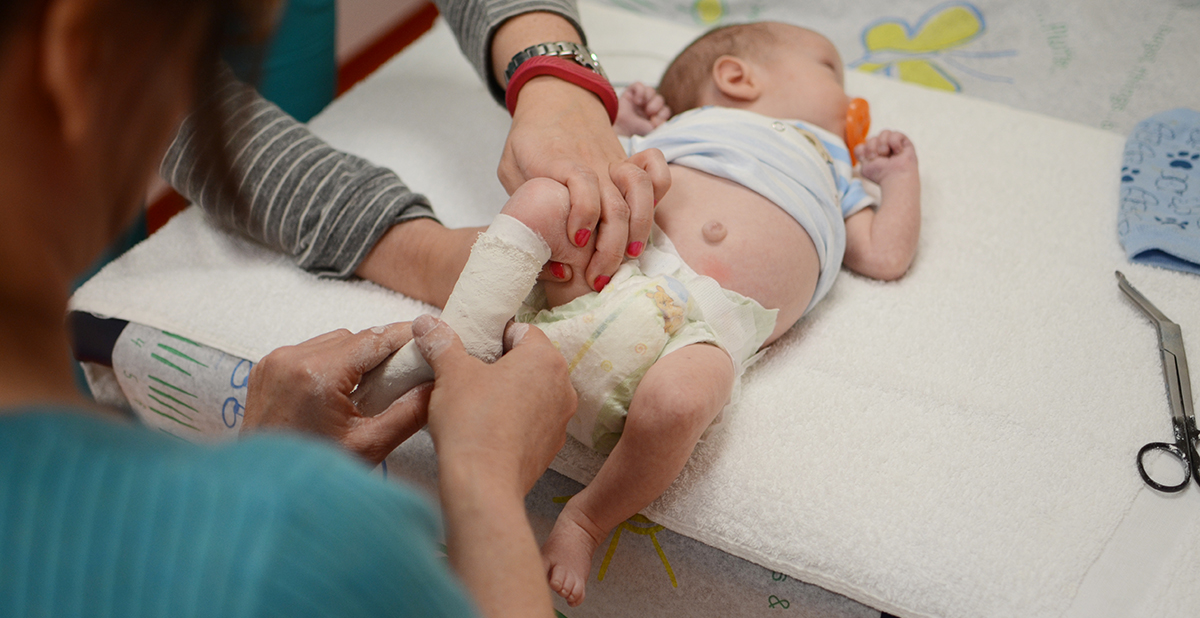
Clubfoot Foot Disorders
:max_bytes(150000):strip_icc()/GettyImages-976611020-532e1800b14b4c89aec1f2f6a855f199.jpg)
Newborn Baby Foot Problems And Deformities

Preparing For A Baby With Clubfoot David Gleitman Dpm

Overcoming Clubfoot One Mom S Story Parents

Why Leave A Clubfoot For Later
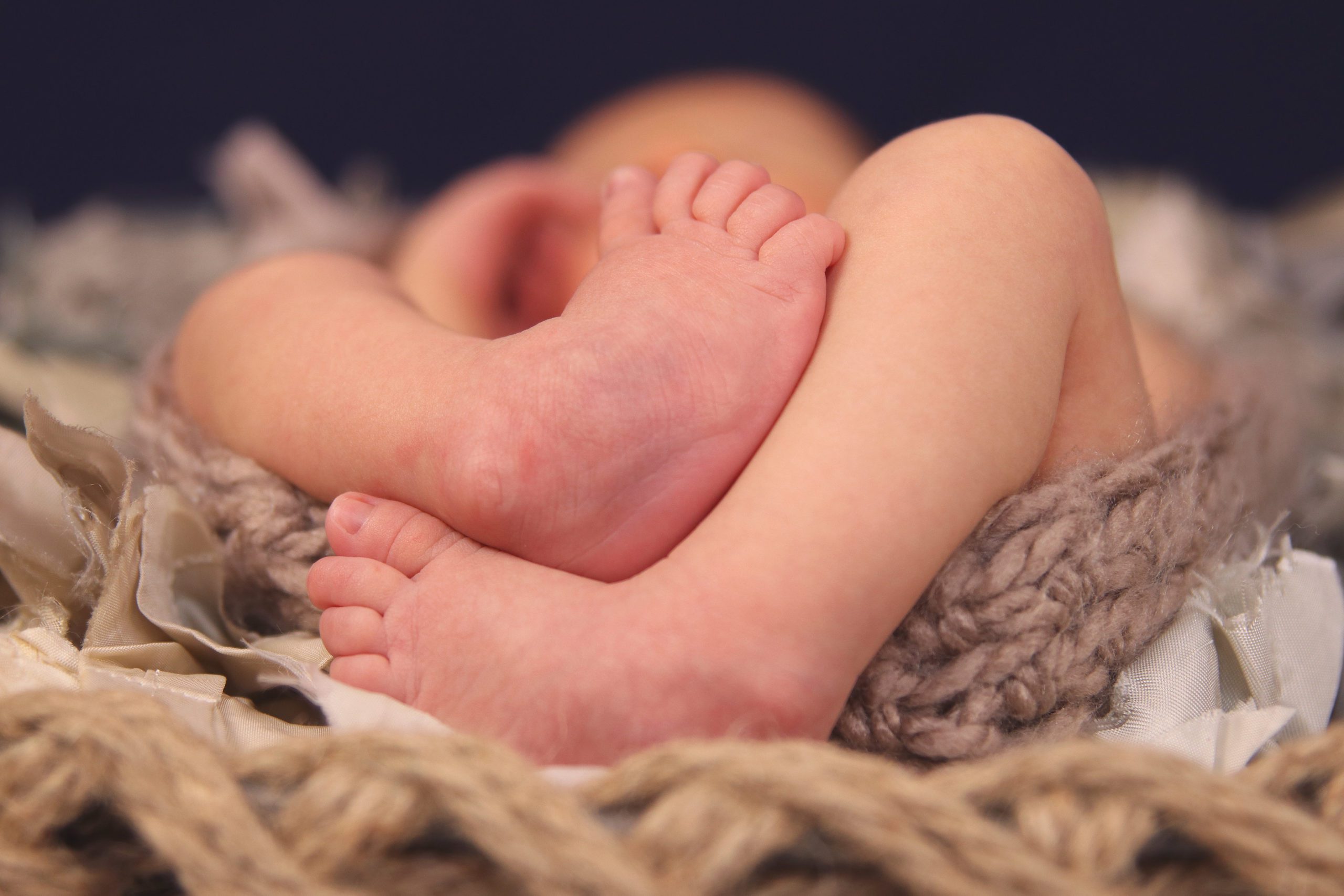
June 3rd World Clubfoot Day
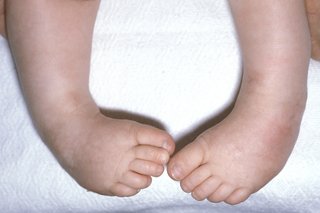
Club Foot Nhs

Club Foot Symptoms And Treatment

Clubfoot Treatment In St Petersburg Florida
Clubfoot Orthoinfo os
Introduction To Clubfoot Physiopedia
Clubfoot Orthoinfo os

Uncommon Iii Grade Clubfoot Congenital Talipes Equinovarus Cte In Download Scientific Diagram

Clubfoot Treatment With A Boots And Bar Orthosis

Clubfoot In Newborns Causes Symptoms Diagnostics Schoen Clinic
Club Foot Gene Identified

Clubfoot Orthopaedia
Www Stclair Org Services Mayo Clinic Health Information Diseases And Conditions Con

Positional Clubfoot
Clubfoot Eorthopod Com

30 Best Clubfoot Images Club Foot Club Foot Baby Baby Feet

Top 10 Best Products For A Clubfoot Baby Simply Working Mama
Q Tbn 3aand9gctp62jgxdlybgwfyvfzh Y3p9jo177qwhalpgcofoygxaj3mncw Usqp Cau
Congenital Talipes Equinovarus Clubfoot Nursing Care Management Nurseslabs

Club Foot Musculoskeletal Medicine For Medical Students Orthopaedicsone
Club Foot Talipes In Babies Causes Signs Treatment Youtube
Clubfoot Treatment In Broward Palm Beach Florida Foot Ankle

Club Foot
Clubfoot Wikipedia
Clubfoot Orthoinfo os

Talipes Club Foot Parents Powwow

Clubfoot Children S Orthopaedic And Scoliosis Surgery Associates Llp

Foot Problems Pediatrics Clerkship The University Of Chicago

Clubfoot Llrs

Congenital Idiopathic Talipes Equinovarus American Academy Of Pediatrics
:max_bytes(150000):strip_icc()/clubfoot_before002-56a6fb5f5f9b58b7d0e5d484.jpg)
Photos Of Babies With A Clubfoot

Club Foot Symptoms And Treatment
Orthopedic Clubfoot Care Youtube
Clubfoot Causes And Treatments

To Parents Of Children Born With Clubfeet University Of Iowa Stead Family Children S Hospital
Congenital Talipes Equinovarus Or Clubfoot Causes And Treatment

Club Foot In Infants Reasons Signs Remedies
Physical Therapy In Long Island For Pediatric Issues Clubfoot
:max_bytes(150000):strip_icc()/clubfoot_before-56a6fb603df78cf7729142e3.jpg)
Photos Of Babies With A Clubfoot
Treating Clubfoot Positive Parenting
Q Tbn 3aand9gcspz9ti14nfrde5 W7kqr 6zihcmtnkyurnf5cnmmc 4fvtcyh0 Usqp Cau
:max_bytes(150000):strip_icc()/clubfoot_after-56a6fb603df78cf7729142e6.jpg)
Photos Of Babies With A Clubfoot

Clubfoot Congenital Talipes Equinovarus Pediatrics Orthobullets
Q Tbn 3aand9gcqfbf Tw7mgf8 Pepof9qwj Szroifzfxqhzgbd1q0a8vuxyewp Usqp Cau

Challenging Clubfeet The Arthrogrypotic Clubfoot And The Complex Clubfoot Journal Of Children S Orthopaedics

To Parents Of Children Born With Clubfeet University Of Iowa Stead Family Children S Hospital
A Pair Of Shoes Can Change A Life Our Clubfoot Journey


